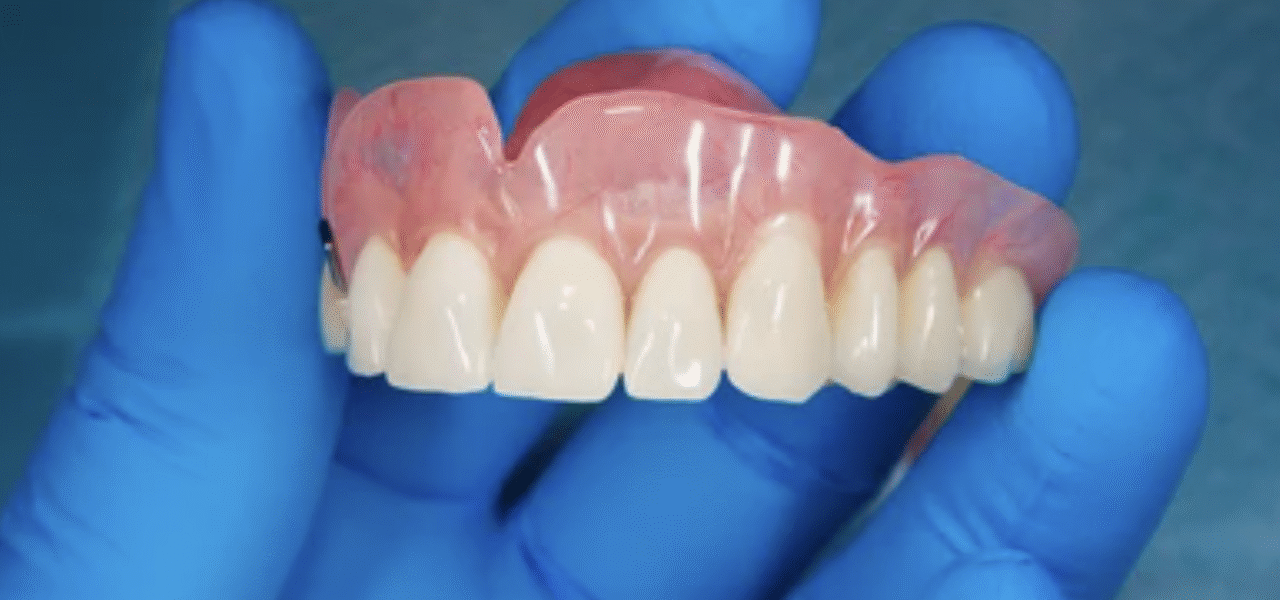

Losing all of your upper teeth can be a life-changing experience, but modern dentistry offers many solutions to restore your smile, function, and confidence. A complete upper denture is one of the most common and effective ways to replace all the teeth in your upper arch. Today’s dentures are far more advanced than ever before, offering a realistic appearance, enhanced comfort, and improved functionality. This article explores various full upper denture options, materials, fitting processes, and maintenance tips to help you make an informed decision for a natural and comfortable smile.
Understanding Complete Upper Dentures
A complete upper denture is a removable dental appliance designed to replace all the missing teeth in the upper jaw. It rests on the gums and palate, restoring both aesthetics and oral function. Unlike partial dentures that replace only a few missing teeth, complete dentures are used when no natural teeth remain in the upper arch.
Modern upper dentures are carefully crafted to mimic natural teeth and gums. They are made using high-quality acrylics, resins, and sometimes porcelain for a more lifelike appearance. The design of these dentures considers your facial structure, bite, and even the natural color of your gums to ensure a seamless and realistic look.
Types of Full Upper Denture Options
Choosing the right type of denture depends on your oral health, bone structure, budget, and personal preferences. Below are the most common options available today.
Conventional Complete Upper Dentures
Conventional complete dentures are made after all remaining teeth in the upper arch are removed and the gums have fully healed. This healing period may take several weeks to months, ensuring a secure and comfortable fit. These dentures provide a natural appearance and are customized for each patient.
Although conventional dentures may require a waiting period, they offer excellent long-term comfort and durability once fitted properly.
Immediate Complete Upper Dentures
Immediate dentures are designed and fabricated before tooth extraction. They are placed immediately after the teeth are removed, allowing you to leave the dentist’s office with a complete smile on the same day.
While convenient, these dentures may require multiple adjustments as your gums and bone heal over time. Immediate dentures serve as a temporary solution until the gums stabilize and a permanent complete upper denture can be made.
Implant-Supported Upper Dentures
Implant-supported dentures are considered the most stable and natural-looking option. Instead of relying solely on suction and adhesives, dental implants are surgically placed into the jawbone to hold the denture securely in place.
For upper dentures, several implants (usually four to six) are strategically placed to support the denture plate. The result is a secure fit, improved chewing ability, and greater comfort. This type of denture also helps preserve the jawbone, preventing bone loss that often occurs with traditional dentures.
Overdentures
An overdenture fits over a few remaining natural teeth or dental implants. When supported by natural tooth roots or implants, the denture gains added stability and retention. Overdentures can offer an excellent balance of comfort, support, and affordability.
For patients who still have a few healthy upper teeth, overdentures can be a suitable choice. They preserve some natural bone and allow for better bite control than conventional dentures.
Achieving a Natural Look with Full Upper Dentures
A key goal of modern denture design is to create a natural-looking smile that complements your face. Here are the main factors that contribute to a realistic appearance:
Customized Tooth Shape and Shade
Dentists select tooth shapes, sizes, and shades that best suit your facial structure, age, and complexion. The teeth in your complete upper denture are aligned and colored to replicate the look of natural enamel, avoiding the artificial “false teeth” appearance of older dentures.
Gum Tone Matching
The base of your denture is tinted to match the natural color of your gums. High-quality acrylic materials can replicate the slight variations in gum color and texture for a lifelike effect.
Natural Arrangement and Contouring
Dentures that are too perfect can look unnatural. Skilled dental technicians often add subtle variations in tooth placement and contouring to mimic how natural teeth appear in real life. This customization enhances authenticity and gives you a confident smile.
Enhancing Comfort with Complete Upper Dentures
Comfort is equally important as appearance when it comes to full upper dentures. Here are several factors that ensure a comfortable and secure fit.
Proper Fit and Suction
A well-fitted complete upper denture uses natural suction between the palate and the denture base to stay in place. Modern digital scanning and 3D modeling allow dentists to create precise impressions for a snug and comfortable fit.
Lightweight, Biocompatible Materials
Contemporary dentures are made from lightweight materials that minimize irritation and pressure on the gums. These materials are also biocompatible, reducing the risk of allergic reactions or discomfort.
Implant Support for Stability
For patients who struggle with slipping or clicking dentures, implant-supported upper dentures provide the ultimate stability. The implants act like artificial roots, anchoring the denture firmly in position and eliminating the need for adhesives.
Soft Liners and Adjustments
Soft liners can be added to the inside of the denture base to cushion the gums, offering added comfort for patients with sensitive tissues. Regular adjustments by your dentist also ensure that your dentures continue to fit properly as your gums and bone change over time.
Caring for Your Complete Upper Denture
Proper care extends the life of your dentures and keeps your mouth healthy.
Daily Cleaning Routine
Brush your dentures daily with a soft brush and non-abrasive denture cleaner. Avoid using regular toothpaste, as it can scratch the denture surface. Rinse thoroughly to remove food particles and plaque buildup.
Overnight Storage
Dentures should be kept moist when not in use to maintain their shape. Soak them in a denture-cleaning solution or water overnight. Never use hot water, as it may cause warping.
Regular Dental Check-Ups
Even with full dentures, regular dental visits are important. Your dentist will check the fit, make necessary adjustments, and ensure your gums and oral tissues remain healthy.
Handle with Care
When cleaning, handle your dentures carefully over a soft surface or towel to prevent breakage in case they slip.
Conclusion
A complete upper denture can restore both your confidence and functionality, allowing you to eat, speak, and smile naturally again. With advancements in materials and techniques, today’s full upper denture options offer unparalleled comfort, aesthetics, and stability. Whether you choose conventional, immediate, overdenture, or implant-supported designs, the right fit and customization can make all the difference. By working closely with your dentist and maintaining proper care, you can enjoy a natural-looking and comfortable smile for many years to come.
